
Bachelor of Engineering (Hons.) Electronics
(R2/523/6/0167) 06/26 (MQA/FA4864)
Medium of Instruction: English
The four-year programme B.Eng. (Hons.) Electronics is designed in consultation with industry experts to ensure its relevance and up-to-date content in preparing students for exciting careers in various industries. This program focuses on equipping students with the knowledge, skills and expertise required to solve real-world engineering problems. The programme is delivered entirely in English.
Approved by Ministry of Education (MoE) & Accredited by Engineering Accreditation Council


PROGRAMME OUTCOMES
Apply knowledge of mathematics, natural science, computing and engineering fundamentals, and an engineering specialization to develop solutions to complex engineering problems
Identify, formulate, research literature and analyze complex engineering problems reaching substantiated conclusions using first principles of mathematics, natural sciences and engineering sciences with holistic considerations for sustainable development
Design creative solutions for complex engineering problems and design systems, components or processes to meet identified needs with appropriate consideration for public health and safety, whole-life cost, net zero carbon as well as resource, cultural, societal, and environmental considerations as required
Conduct investigation of complex engineering problems using research methods including research-based knowledge, including design of experiments, analysis and interpretation of data, and synthesis of information to provide valid conclusions
Create, select and apply, and recognize limitation of appropriate techniques, resources, and modern engineering and IT tools, including prediction and modelling, to complex engineering problems
Apply appropriate reasoning to assess societal, health, safety, legal and cultural issues that are relevant to professional engineering practice, and solutions to complex engineering problems.
Apply ethical principles and commit to professional ethics and norms of engineering practice and adhere to relevant national and international laws. Demonstrate an understanding of the need for diversity and inclusion
Function effectively as an individual, and as a member or leader in diverse and inclusive teams and in multidisciplinary, face-to-face, remote and distributed settings
Communicate effectively and inclusively on complex engineering activities with the engineering community and with society at large, such as being able to comprehend and write effective reports and design documentation, make effective presentations, taking into account cultural, language, and learning differences
Apply knowledge and understanding of engineering management principles and economic decision-making, and apply these to one’s own work, as a member and leader in a team, and to manage projects in multidisciplinary environments
Recognise the need for, and have the preparation and ability for i) independent and life-long learning ii) adaptability to new and emerging technologies and iii) critical thinking in the broadest context of technological change
STAFF
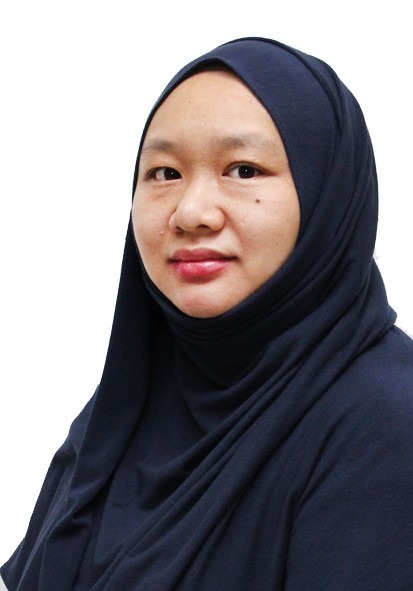
Dr. Katrina D. Dambul
Programme Coordinator
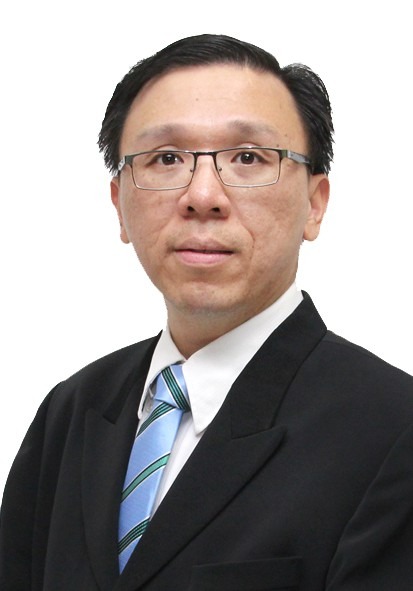
Prof. Dr. Chan Kah Yoong
Professor
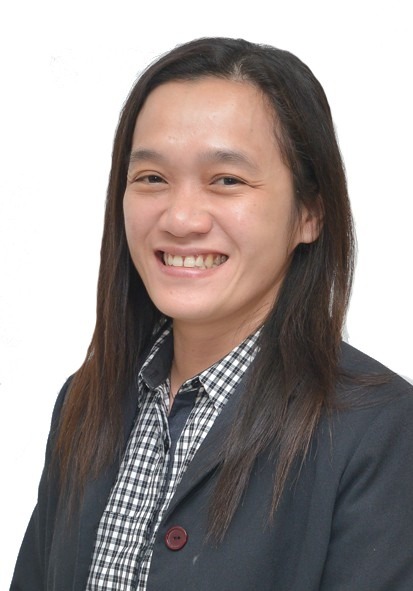
Assoc. Prof. Dr. Lee Lini @ Lini Lee
Associate Professor
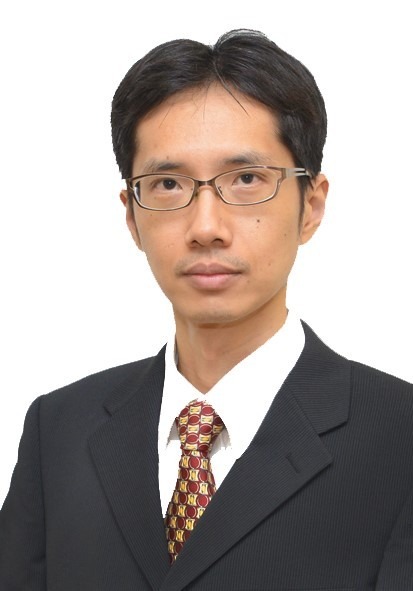
Dr. Foo Yee Loo
Associate Professor
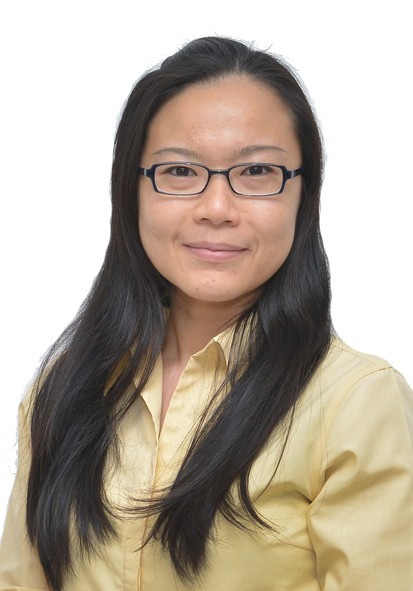
Dr. Lee It Ee
Assistant Professor
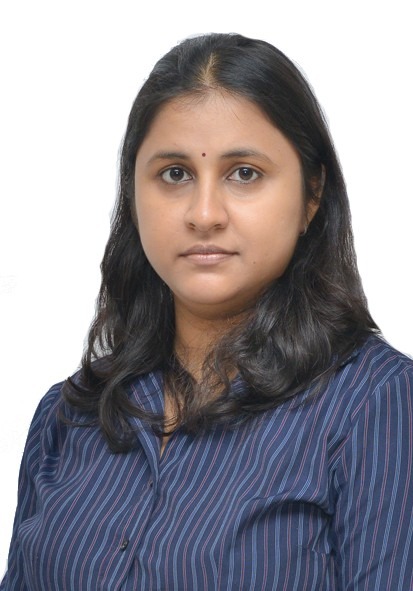
Dr. Nisha Kumari A/P Devaraj
Assistant Professor
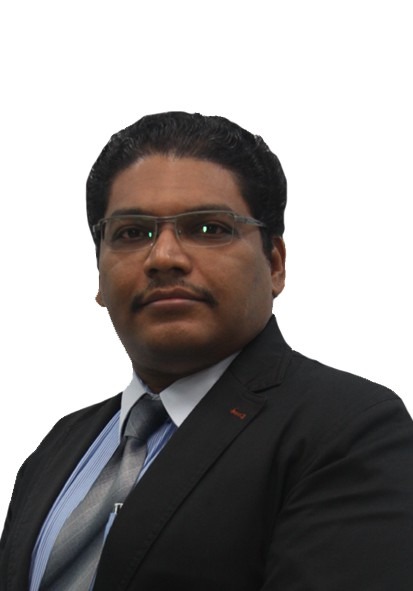
Dr. Shashikumar A/L Krishnan
Senior Lecturer
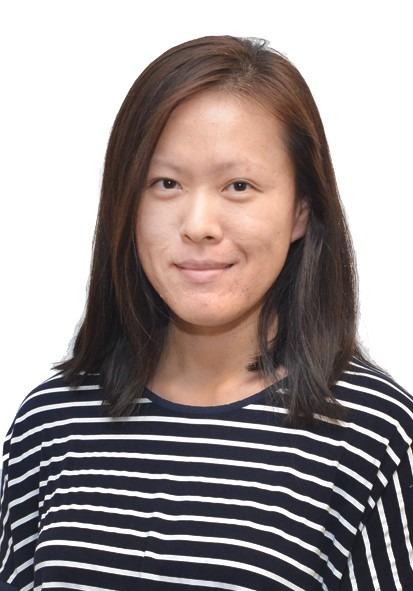
Low Pei Ling
Lecturer
INDUSTRIAL ADVISOR
Dr. Yeo Siang Miang
| Qualifications | 2025 – Doctor of Philosophy (Engineering), Universiti Tunku Abdul Rahman, Malaysia 2013 – Master Degree in Microelectronic Engineering, MMU, Malaysia 2005 – Degree in Chemical Engineering, USM, Malaysia. |
| Position and Organisation | Senior Engineer, Amkor Technology Malaysia |
EXTERNAL EXAMINER
Prof. Chang, Joseph Sylvester
| Qualifications | PhD (Otolaryngology) (1990) from University of Melbourne, Australia, and B. Eng (Elect & Comp Systems) (1983) from Monash University, Australia |
| Position and Organisation | Professor, Nanyang Technological University, Singapore. |
INDUSTRIAL ADVISOR
Mr. Kalai Selvan Subramaniam
| Qualifications | 1997 – Master of Engineering, Electronics Engineering and Technology Management, Universiti Teknologi Malaysia (UTM), Malaysia 1990 – Bachelor in Engineering (Honours) Electronics and Communications, Universiti Teknologi Malaysia (UTM), Malaysia |
| Position and Organisation | CEO and co-founder, Infinecs Systems Sdn. Bhd. |