
Bachelor of Engineering (Hons.) Electronics majoring in Telecommunications
(R2/523/6/0168) 06/26 (MQA/FA4865)
Medium of Instruction: English
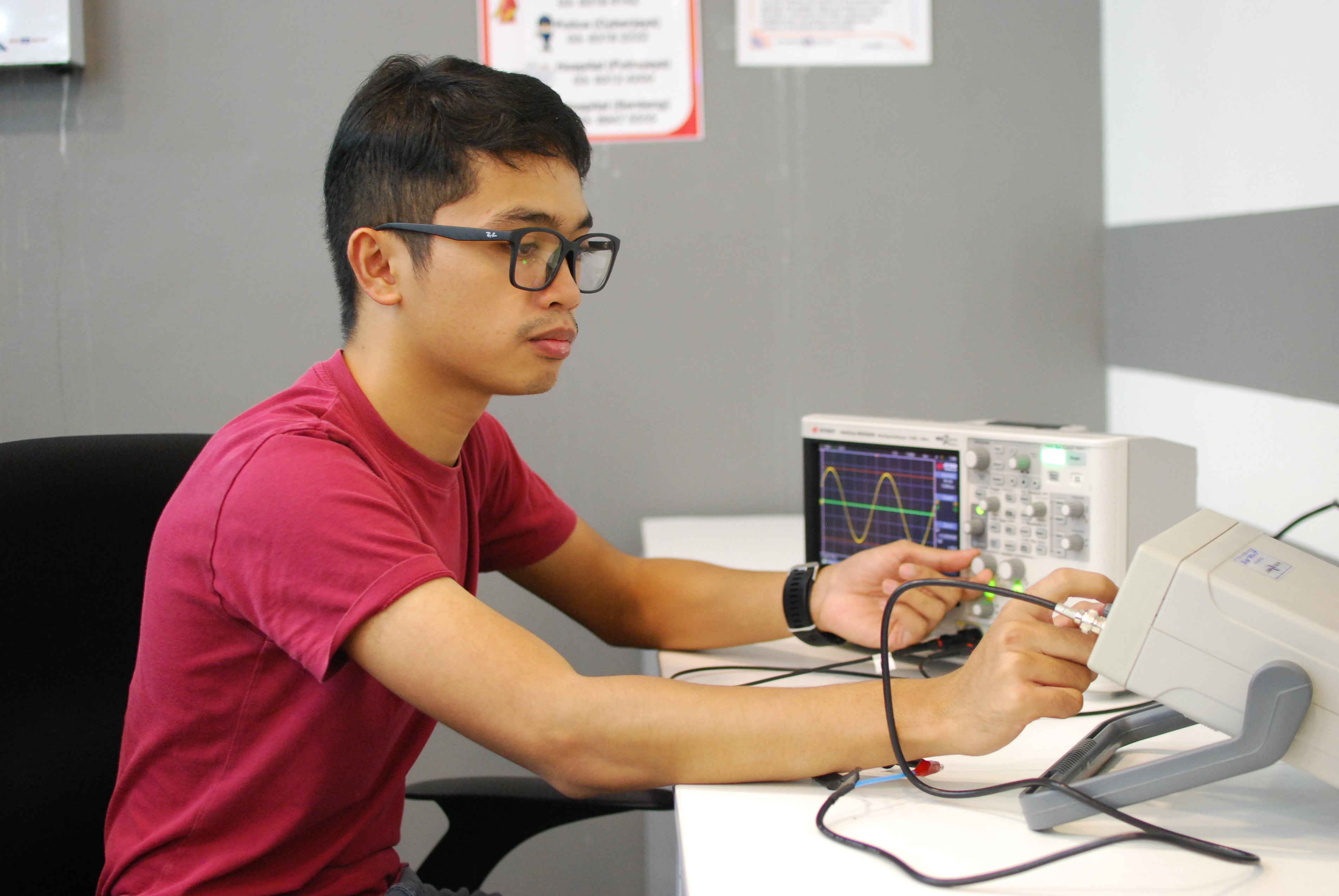
B.Eng. (Hons.) Majoring in Telecommunication is a four-year programme that combines theoretical concepts with practical experience, providing students with competency in designing, implementing, and managing communication systems for information processing and transmission, as well as, developing applications for mobile devices and internet-based services. The programme is developed in consultation with industry experts and is constantly updated to equip students with the skills and knowledge required for a successful career in the rapidly evolving fields of telecommunications and computing. The programme is delivered entirely in English.
Approved by Ministry of Education (MoE) & Accredited by Engineering Accreditation Council


PROGRAMME OUTCOMES
Apply knowledge of mathematics, natural science, computing and engineering fundamentals, and an engineering specialization to develop solutions to complex engineering problems
Identify, formulate, research literature and analyze complex engineering problems reaching substantiated conclusions using first principles of mathematics, natural sciences and engineering sciences with holistic considerations for sustainable development
Design creative solutions for complex engineering problems and design systems, components or processes to meet identified needs with appropriate consideration for public health and safety, whole-life cost, net zero carbon as well as resource, cultural, societal, and environmental considerations as required
Conduct investigation of complex engineering problems using research methods including research-based knowledge, including design of experiments, analysis and interpretation of data, and synthesis of information to provide valid conclusions
Create, select and apply, and recognize limitation of appropriate techniques, resources, and modern engineering and IT tools, including prediction and modelling, to complex engineering problems
Analyze and evaluate sustainable development impacts to: society, the economy, sustainability, health and safety, legal frameworks, and the environment, in solving complex engineering problems
Apply ethical principles and commit to professional ethics and norms of engineering practice and adhere to relevant national and international laws. Demonstrate an understanding of the need for diversity and inclusion
Function effectively as an individual, and as a member or leader in diverse and inclusive teams and in multidisciplinary, face-to-face, remote and distributed settings
Communicate effectively and inclusively on complex engineering activities with the engineering community and with society at large, such as being able to comprehend and write effective reports and design documentation, make effective presentations, taking into account cultural, language, and learning differences
Apply knowledge and understanding of engineering management principles and economic decision-making, and apply these to one’s own work, as a member and leader in a team, and to manage projects in multidisciplinary environments
Recognise the need for, and have the preparation and ability for i) independent and life-long learning ii) adaptability to new and emerging technologies and iii) critical thinking in the broadest context of technological change
STAFF
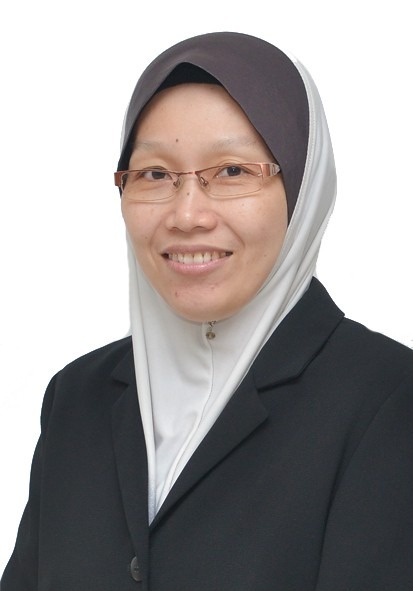
Dr. Nurul Nadia Binti Ahmad
Programme Coordinator
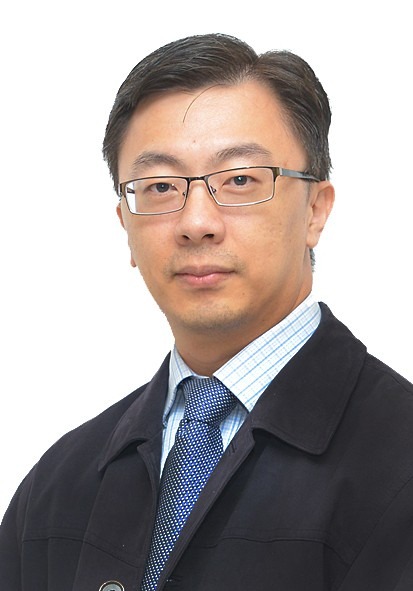
Prof. Dr. Chuah Teong Chee
Professor
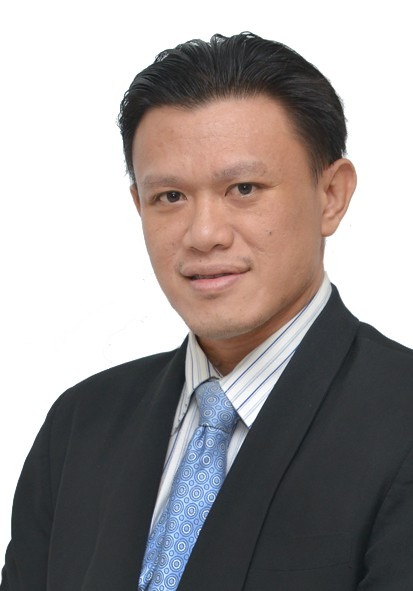
Prof. Dr. Mardeni Roslee
Professor
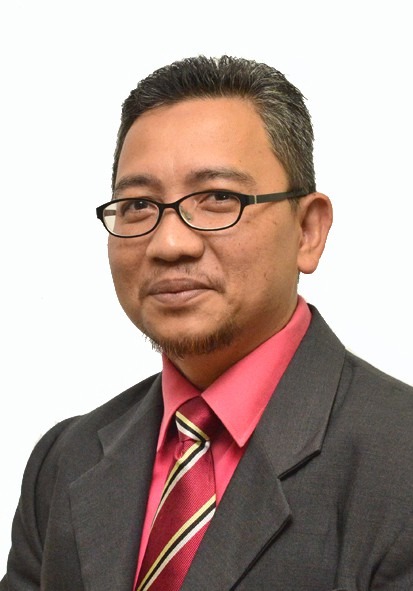
Prof. Dr. Mohamad Yusoff Alias
Professor
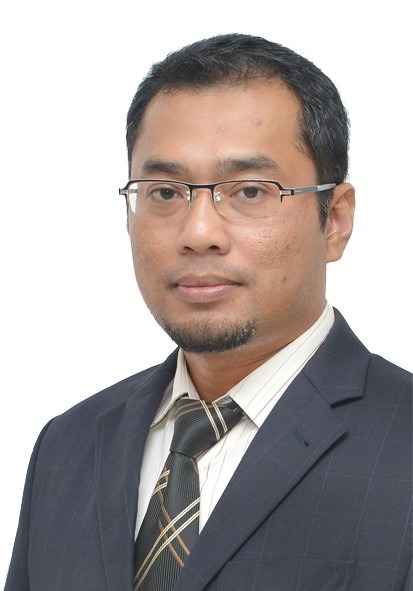
Prof. Dr. Mohd. Ridzuan Mokhtar
Professor
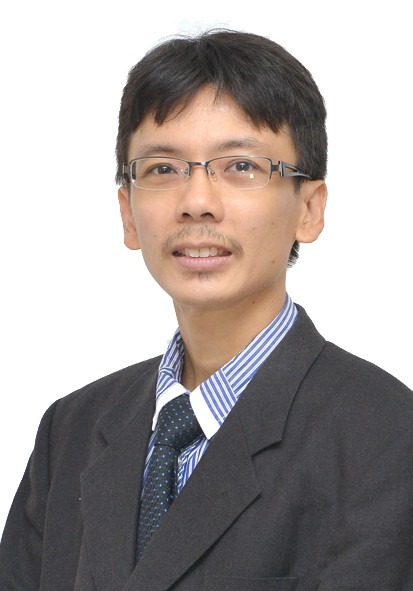
Dr. Ku Chui Choon Ivan
Assistant Professor
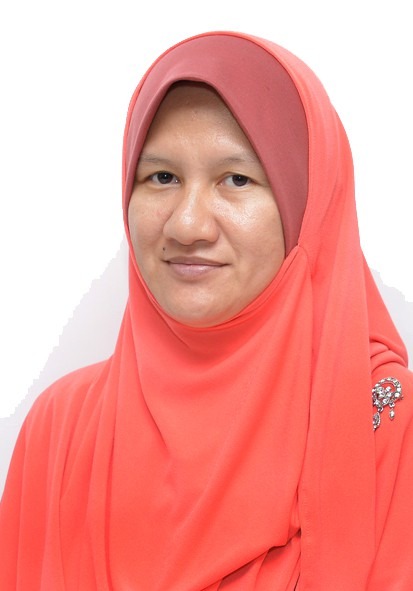
Dr. Siti Azlida Ibrahim @ Ghazali
Assistant Professor
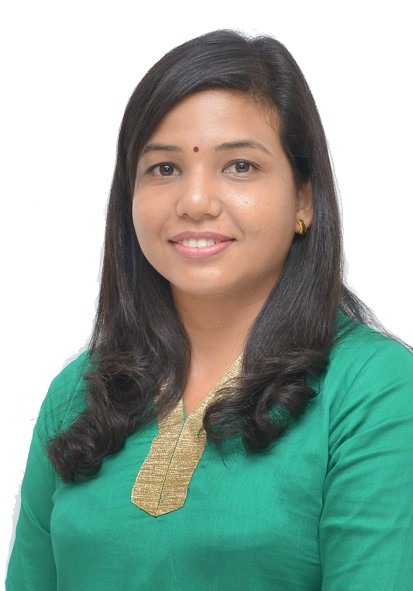
Ir. Dr. Siva Priya Thiagarajah
Assistant Professor
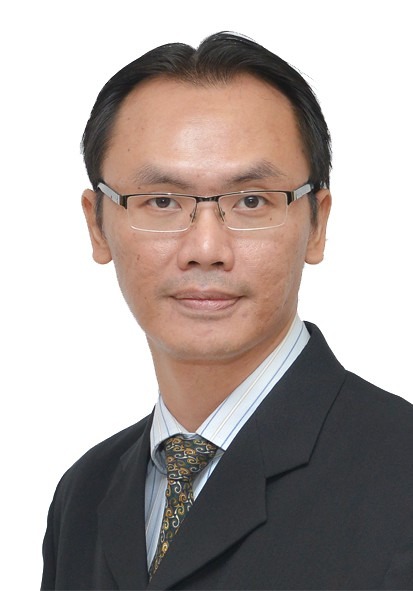
Dr. Tiang Jun Jiat
Assistant Professor
INDUSTRIAL ADVISOR
Ir. Dr. Ng Thiaw Seng
| Qualifications |
2014 – PhD (Multimedia University, Malaysia)
2004 – M.Eng. Telecommunications (Multimedia University, Malaysia)
2001 – B.Eng. (Hons) Electronics majoring in Telecommunications (Multimedia University, Malaysia)
|
| Position and Organisation | Head of Strategic Network Evolution, Market Area Southeast Asia, Oceania & India, Ericsson Malaysia |
| Citizenship | Malaysian |
EXTERNAL EXAMINER
Assoc. Prof. Dr. Leow Chee Yen
| Qualifications | Ph.D. in Electrical and Electronic Engineering Imperial College, London |
| Position and Organisation | Associate Professor at School of Electrical Engineering, Universiti Teknologi Malaysia |
| Citizenship | Malaysian |
INDUSTRIAL ADVISOR
Mr. Fakhrul Radzy bin Hamdan
| Qualifications |
2005 – M.Eng. Electrical-Electronics & Telecommunication (Universiti Teknologi Malaysia, Malaysia)
2002 – B.Eng. (Hons.) Electronics (Multimedia University, Malaysia)
|
| Position and Organisation | Group Chief Operation Officer, IX Telecom Sdn. Bhd. |
| Citizenship | Malaysian |